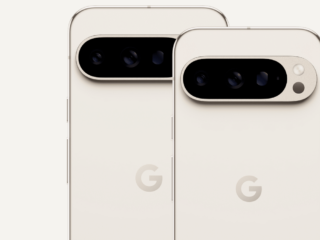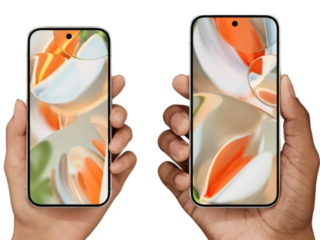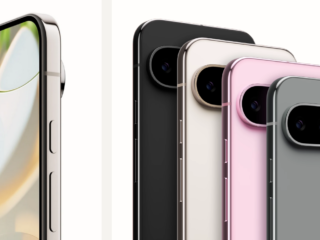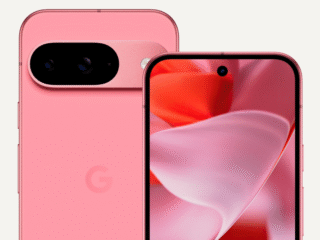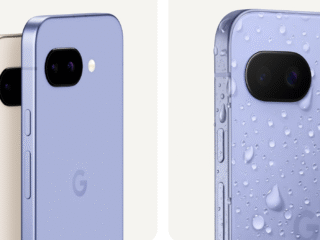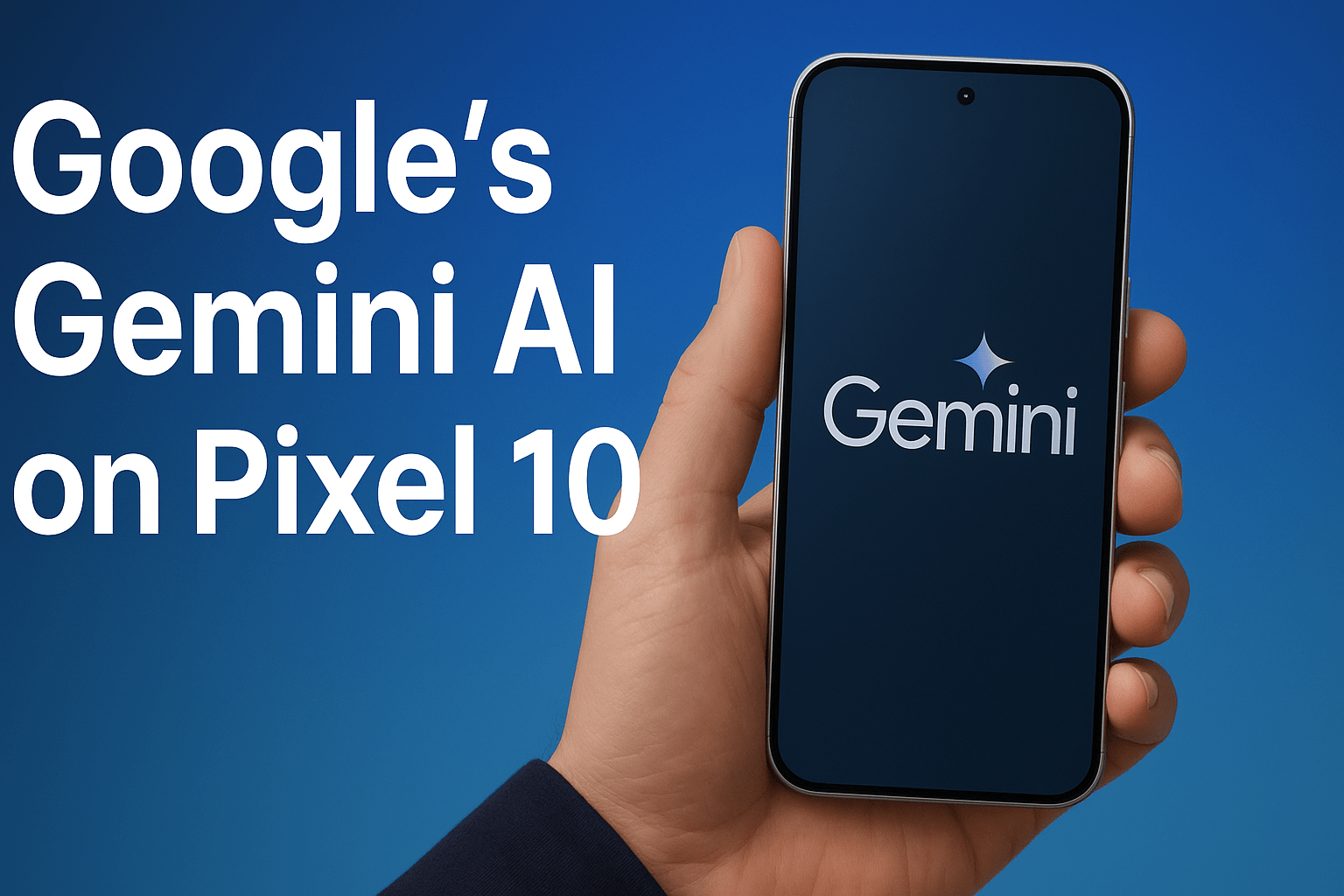
Google’s Pixel 10 launch put AI at center stage. Hardware was solid. Software stole the show. The spotlight was on Gemini. This is Google’s family of powerful AI models. They run many new features on the Pixel 10 and Pixel 10 Pro. The goal is clear. Make the phone smarter. Reduce user effort. Keep people inside the Google ecosystem. Compete directly with OpenAI and Perplexity in consumer AI.
A Strategic Play in Consumer AI
The timing matters. Search is changing fast. People are asking AI assistants for answers. Many skip the search box. They go straight to ChatGPT or Perplexity. Google sees the risk. It also sees the opportunity. By putting Gemini into Pixel 10, the company moves AI to the front door. Users do not need to open a browser. AI is now a tap away on the home screen.
What Gemini Does on Pixel 10
Gemini is not a single trick. It is a suite of skills across the phone. The features feel practical. They feel personal. They aim to save time and remove friction.
- Magic Cue: It gathers context from your apps. It surfaces info when you need it. It reduces app-hopping.
- Camera Coach: It gives live suggestions. It nudges framing. It guides exposure. It helps you nail the shot.
- Live Call Translation: It translates calls in real time. You can speak in your language. The other person hears theirs.
These tools hint at an “agentic AI” future. Your phone starts to act on your behalf. It prepares, summarizes, and executes. It feels less like a tool and more like a helper.
Android Is Google’s Superpower
Google owns Android. That is a huge advantage. Android runs on more than three billion devices. Many are smartphones. This scale changes the game. If Gemini features spread beyond Pixel, adoption can surge. Google can reach users that rivals cannot. It can push updates broadly. It can integrate AI across the stack, from chip to app.
Partners like Samsung and Xiaomi matter here. They sell in massive volumes. If they adopt Gemini-powered features, the impact multiplies. AI becomes a common layer across Android phones. The result is reach. The result is habit. The result is data to improve Gemini even more.
The Pixel Showcase Strategy
Pixel does not need to outsell everyone. It serves as the reference device. It shows what Android can be at its best. It is a stage for new ideas. Once a feature shines on Pixel, others can copy or license. This is how Google seeds the ecosystem. It is a flywheel. Demonstrate. Learn. Improve. Scale.
The Flywheel Effect Explained
A larger user base creates a loop. Usage produces feedback. Feedback improves models. Better models attract more usage. On smartphones, this loop is powerful. People use phones all day. Short sessions add up. Small wins build trust. Over time, the assistant becomes the default path for tasks. That is the real prize.
Why This Threatens Rivals
OpenAI and Perplexity excel at direct answers. They are strong on the web. But distribution on phones is harder. They rely on apps or integrations. Google has a native foothold. It can ship AI as a system capability. It can optimize for battery, latency, and privacy. It can blend on-device models with cloud models. It can weave AI into the dialer, the camera, and the keyboard.
This depth of integration is hard to match. It shortens the path to value. It makes AI feel invisible and immediate. That is how habits form. That is how platforms win.
Apple’s Window and Google’s Momentum
The market watches Apple closely. iPhone features are polished. But its AI story has felt cautious. That creates a window. Google and its Android partners can move fast. They can set user expectations now. When Apple responds, the bar may already be higher. For Google, speed is a feature. Showing momentum matters as much as shipping features.
From Answers to Actions
The next step is clear. Users want AI that does things, not just explains things. Book a table. Draft a reply. Organize photos. Prep a trip plan. Summarize a long chat. Gemini’s design nudges in that direction. With context and permissions, it can act. It can work across apps. It can turn intent into execution. This jump from search to service marks a big shift in how people use phones.
Privacy, Control, and Trust
Trust will make or break adoption. Users want clarity. What data is used. What stays on device. What goes to the cloud. Google must keep controls simple. It must allow opt outs. It must explain benefits in plain language. Clear status indicators help. Easy toggles help. Good defaults help even more. When people feel in control, they try more features. When they see value, they keep them on.
Monetization: The Big Question
How does this pay off for Google? Several paths exist. Some features could become premium. Workspace add-ons can expand. Cloud revenue can grow as developers target Gemini. Ads may evolve with AI summaries and shopping flows. Most likely it is a mix. First comes distribution and habit. Then come targeted revenue layers. Investors will want milestones. User growth. Engagement time. Cost per inference. ARPU from AI bundles. Clear reporting would build confidence.
Developer Ecosystem and Extensibility
AI thrives when developers plug in. Google can open endpoints. It can provide SDKs and privacy-safe hooks. App makers can expose tasks to Gemini. Think “AI intents” that any app can register. The assistant becomes a universal command line for life. This invites innovation. It spreads the workload. It increases utility without Google building everything itself.
On-Device AI and Performance
On-device models will be key. They reduce latency. They protect privacy. They enable features when offline. Paired with cloud models, they offer a hybrid edge. The Pixel line can pioneer these designs. Partners can follow with their own silicon. Over time, the experience gets faster and cheaper. That supports scale. That supports daily use.
What Success Looks Like
Success is simple to describe. People use Gemini without thinking about it. It becomes the first step for tasks on phone. It shortens flows. It saves minutes. It reduces cognitive load. It feels reliable. It feels personal. If that happens across Android, Google locks in a durable position in consumer AI.
The Road Ahead
Pixel 10 is the opening chapter. The real story is Android at scale. If Samsung, Xiaomi, and others ship Gemini features broadly, billions will gain AI superpowers overnight. That scale will teach the models quickly. It will pressure rivals to match convenience, depth, and trust. It will also force clarity on revenue. The market will ask for proof. Google will need to show it.
Bottom Line
Google is using the device you already carry to win the next platform shift. Gemini on Pixel 10 is practical today and ambitious for tomorrow. It blends answers with actions. It uses Android’s reach to outdistribute rivals. It invites partners and developers to extend the system. The challenges are real. Privacy, cost, and monetization will test the plan. But the direction is sound. Meet users where they are. Make the assistant useful every hour. Turn AI into habit. If Google does that, Gemini becomes the default companion on the world’s most popular device—the smartphone.